September 22-23, 2026
- Learn about POWER's latest enhancements to data product offerings.
- Hear how users are utilizing POWER data through community-driven Lightning Talks.
- Engage directly with the NASA POWER project leaders and team.
- Engage with other users from the POWER community.
- Provide feedback on POWER data product offerings.
Details by Year
2026 Event Schedule
Welcome from NASA Leadership
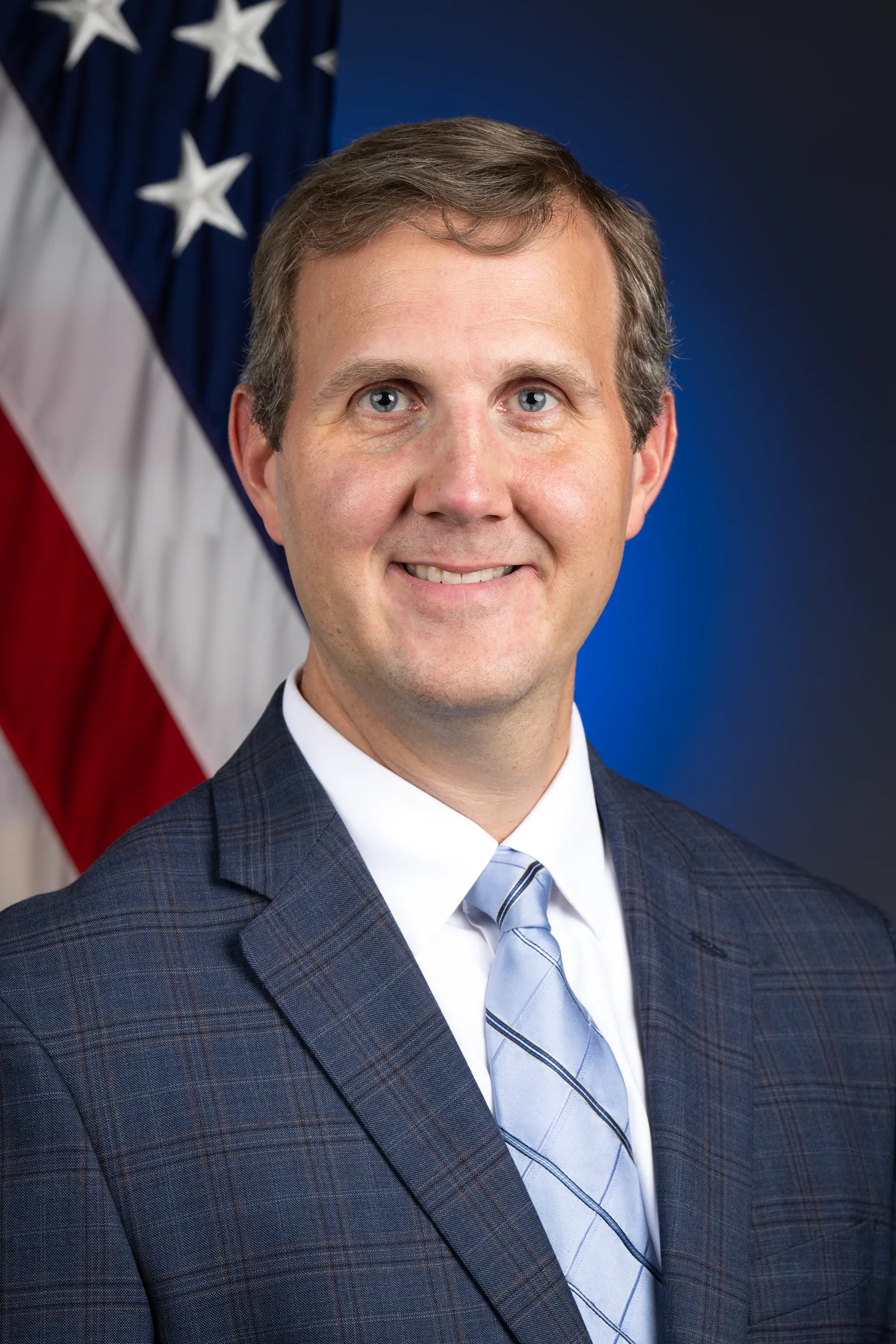
John D. “JD” Reeves
Director, Science Directorate, NASA Langley Research Center
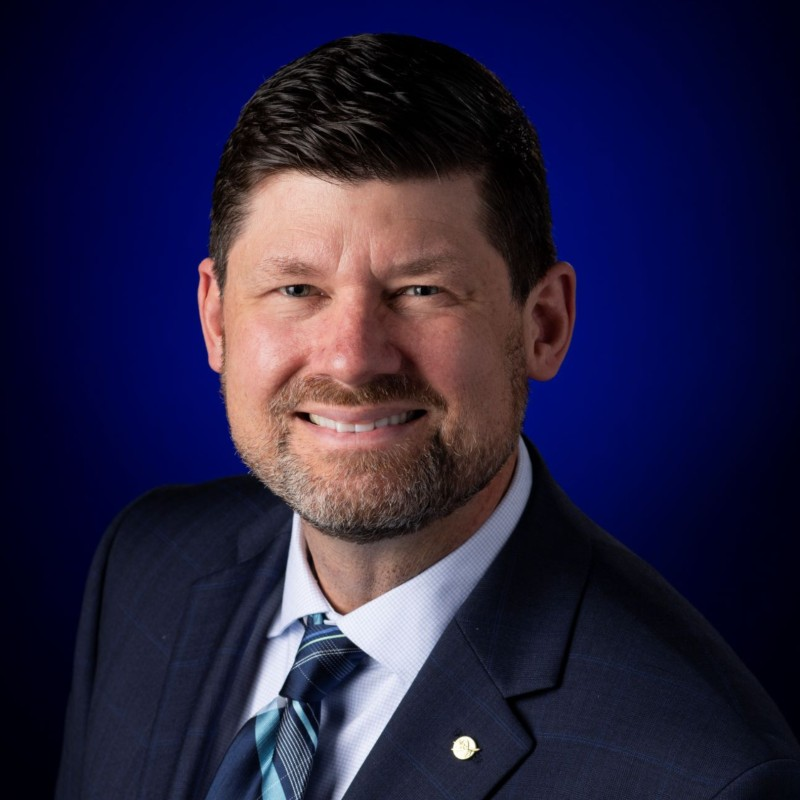
Dr. Thomas P. Wagner
Associate Director for Earth Action, NASA's Earth Science Division
Advancing POWER: Annual Update & Forward Strategy
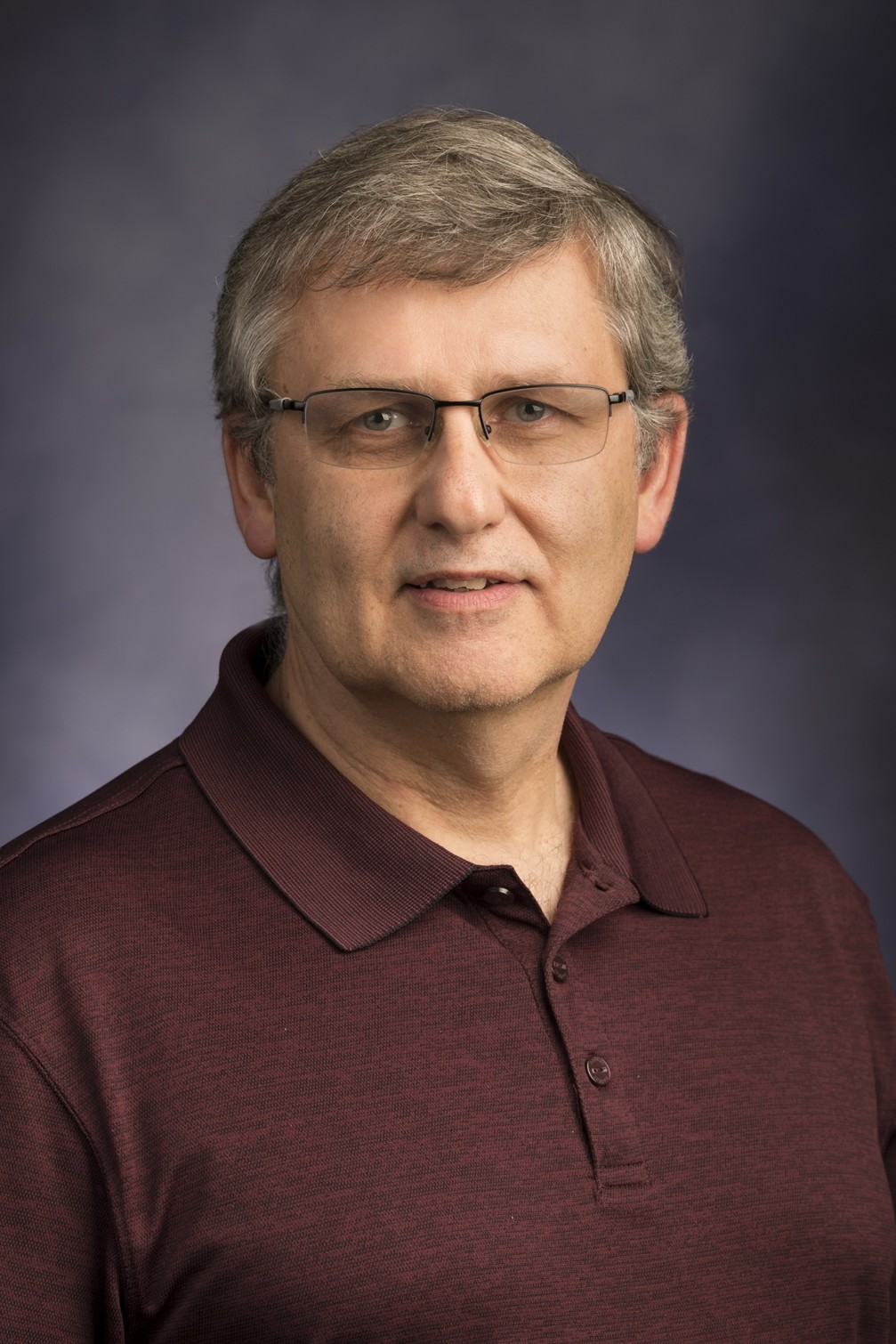
Paul Stackhouse
Senior Research Scientist, Climate Science Branch, Science Directorate, NASA Langley Research Center
Falguni Patadia
Research Physical Scientist, Climate Science Branch, Science Directorate, NASA Langley Research Center
National Resilient Systems: From Science to Practice Panel
EPRI, USGBC, Xcel Energy

Erik Smith
Climate Data Lead, EPRI
Lana Crouse
Regional Director, U.S. Green Building Council
Mahdi Salavatian
Manager of Data Science and AI, Xcel Energy
POWER 101 & Networking Break
Data Provider Spotlight: HydroSCS & MERRA-2
Amin Dezfuli
Senior Research Scientist
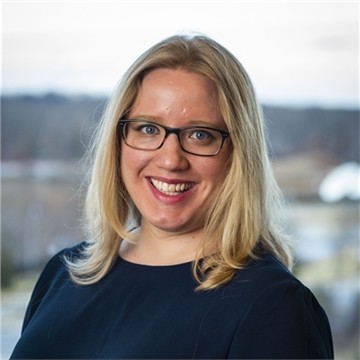
Jessica Erlingis
Sciences and Exploration Directorate
Regional Resiliency for the Future Panel
VA Dept of Energy, NASEO, EOS Data Analytics, City of VB
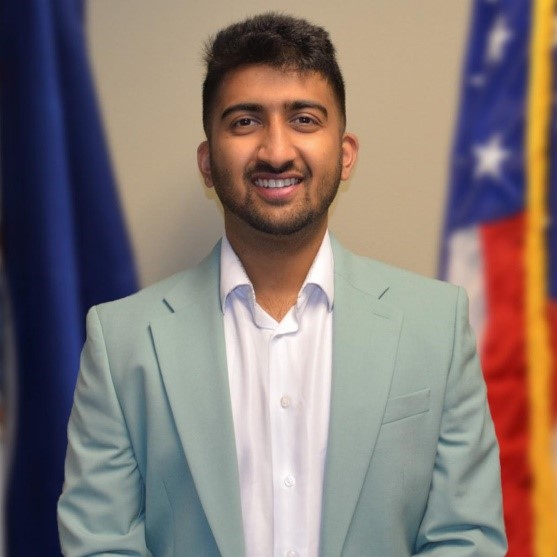
Ashish Sedai
Associate Director of Energy Modeling and Innovation, Virginia Department of Energy

Oleksii Neskorovnyi
Head of Custom Solutions & Intelligence, EOS Data Analytics
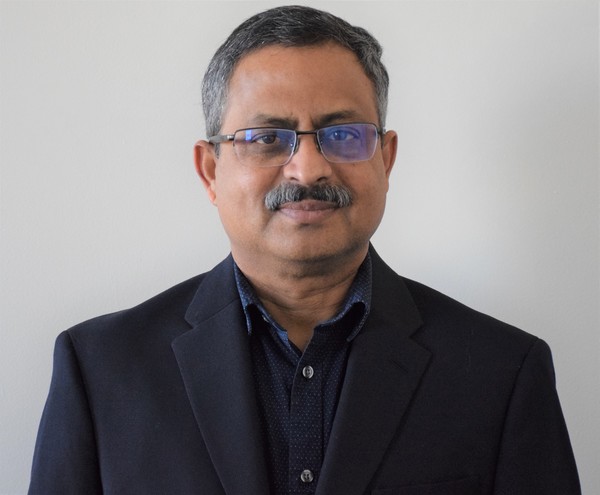
Sridhar Katragadda
Lead Data Scientist, City of Virginia Beach Information Technology Department
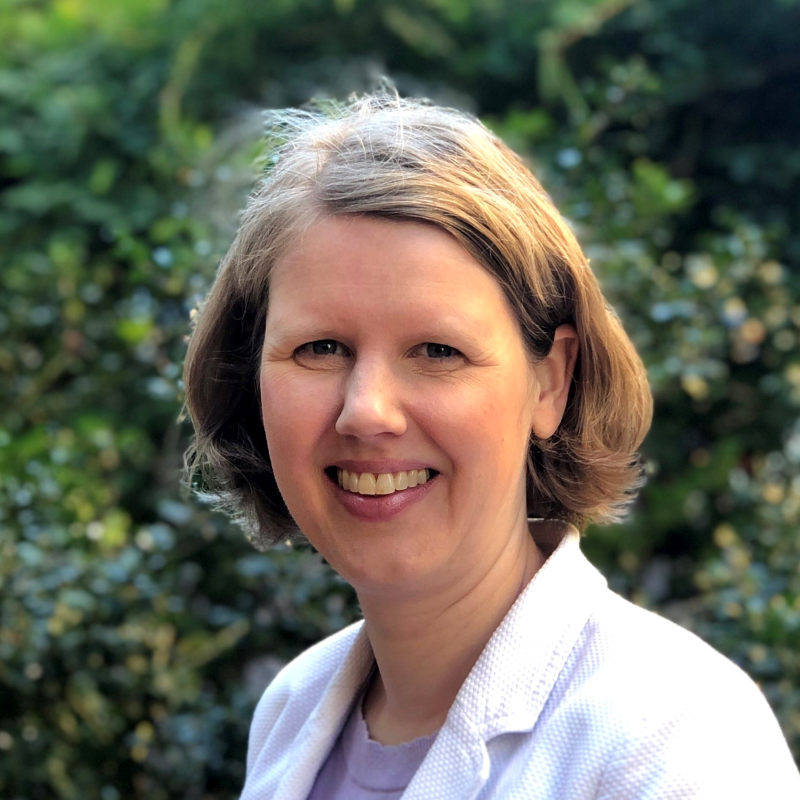
Kirsten Verclas
Electricity Program and Grid Resilience Lead, NASEO
Lunch
Lightning Talk Session #1
- Phil Mireault Gamma Technologies
- Nicola Buttigieg King's College of London
- Ane Mugarza Woza
NASA Recognition of Excellence Awards for RETScreen Expert Users
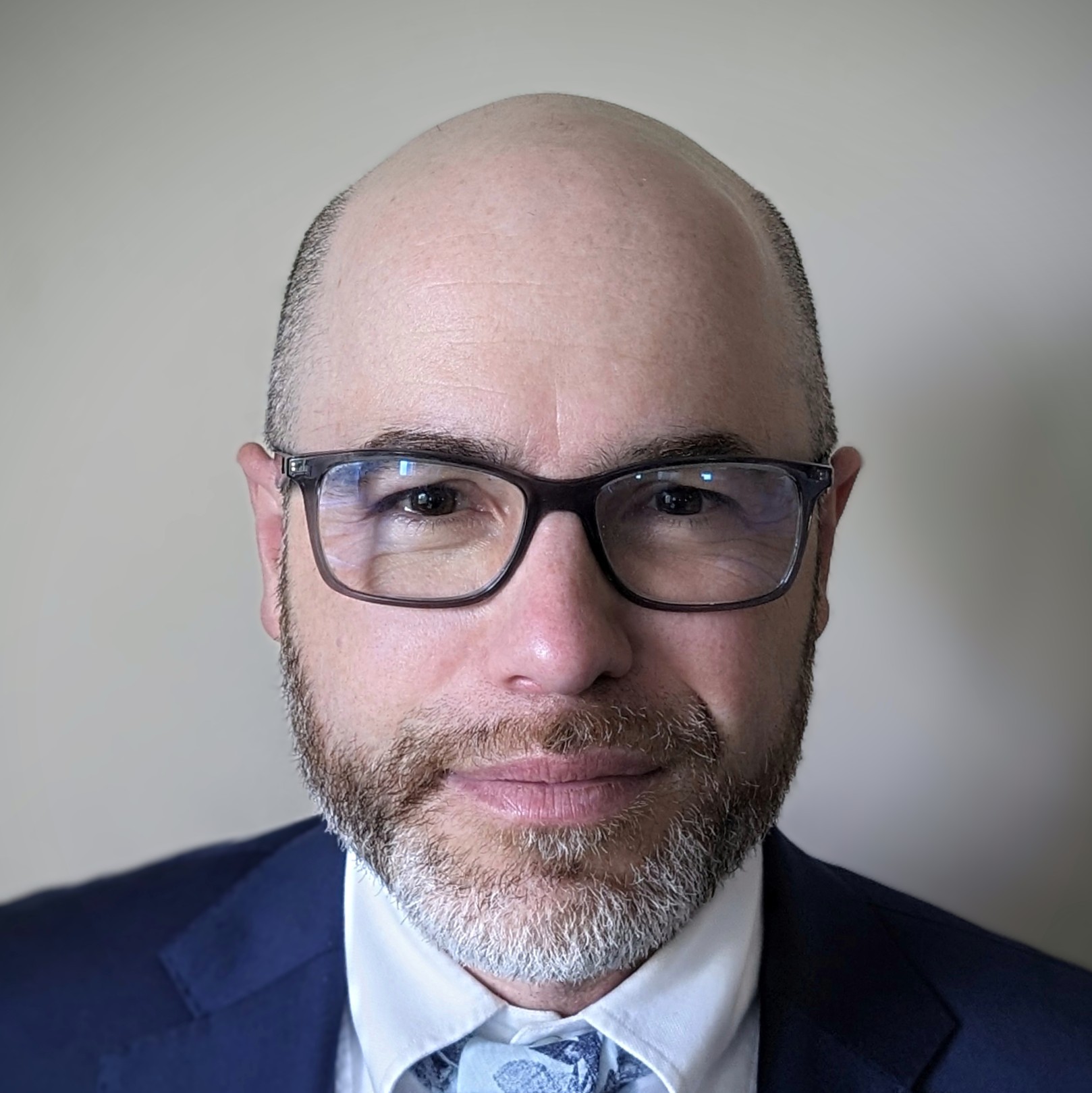
Yassen Roussev
Judicial Council of California
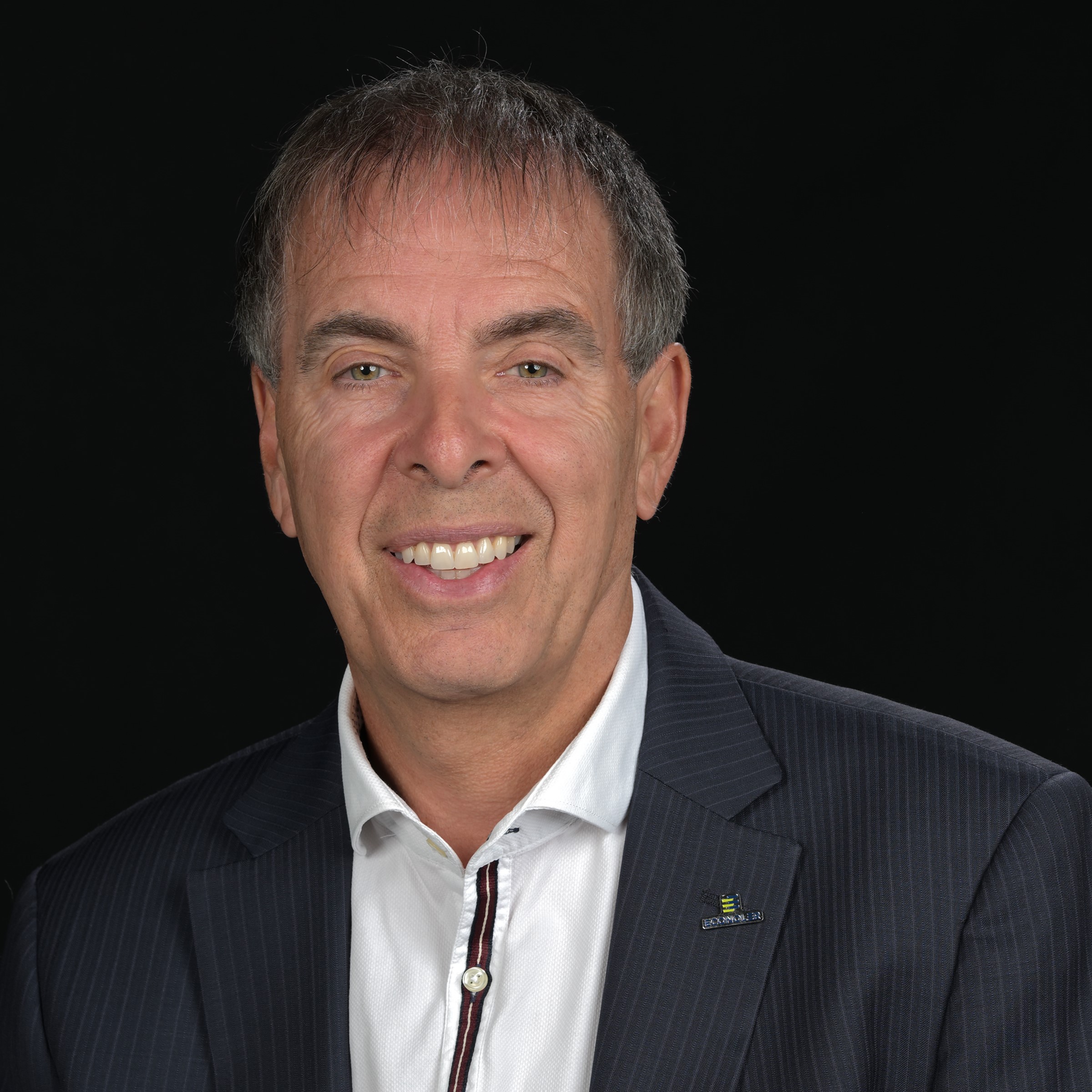
Pierre Langlois
Global ESCO Network / Econoler International

Cristina Guido
Supervisor, Energy & Environment, Town of Caledon
Lorenc Malka
Polytechnic University of Tirana
Networking Break
Lightning Talk Session #2
- David Fillmore NASA CERES
- Willingthon Pavan University of Florida
- Andy Berres National Laboratory of the Rockies
Closing Remarks
Networking at Afterburners
Getting Started
Lightning Talk Session #3
- Yasser Alabaishi Duke University
- Richmond Kuleape University of Freiburg
- Saravanan Vasudevan Arunai Engineering College
- Remi Gandoin C2Wind
Technical Deep Dive: Current Capabilities
Networking Break
Technical Deep Dive: Future Capabilities
Lightning Talk Session #4
- Mariano Tamburrino Yieldata
- Matt Dahlhausen EPWVIS
- Siraj Mohammed Southern Illinois University
- Jyotsna Singh University of Arizona
- Andy Berres National Laboratory of the Rockies
Closing Remarks
Event Report
2025 Event Schedule
Getting Started
POWER Team
POWER Roadmap & Technical Showcase
POWER Team
Lightning Talk Session #1
- Cecelia Paparella, Sophia Plancich, Valentina Rozo, and Katie Fidler, NASA DEVELOP Program
- Nicola J Buttigieg, King's College London, King's Institute for AI
- Dr. Saravanan Vasudevan, Arunai Engineering College
Data Provider Spotlight
Dr. Charon Birkett, NASA Sciences and Exploration Directorate
Lightning Talk Session #2
- Jyotsna Singh, University of Arizona
- Stephen Mureithi Kivuti, Aquapower
- Rizwan Rafique, University of Florida
- Kiara Morarjee, University of Johannesburg
Getting Started
POWER Team
POWER Roadmap & Technical Showcase
POWER Team
Lightning Talk Session #3
- Ioannis Kasinopoulos, Electryone AI
- Daniel Victoria, Embrapa Agricultura Digital
User Spotlight
Daniel Villa, Sandia National Labs
Lightning Talk Session #4
- Sergio Cruz, Zte Colombia
- Siraj Mohammed, Southern Illinois University
Closing Remarks
POWER Team
Event Report
Meet Our Keynote Speakers
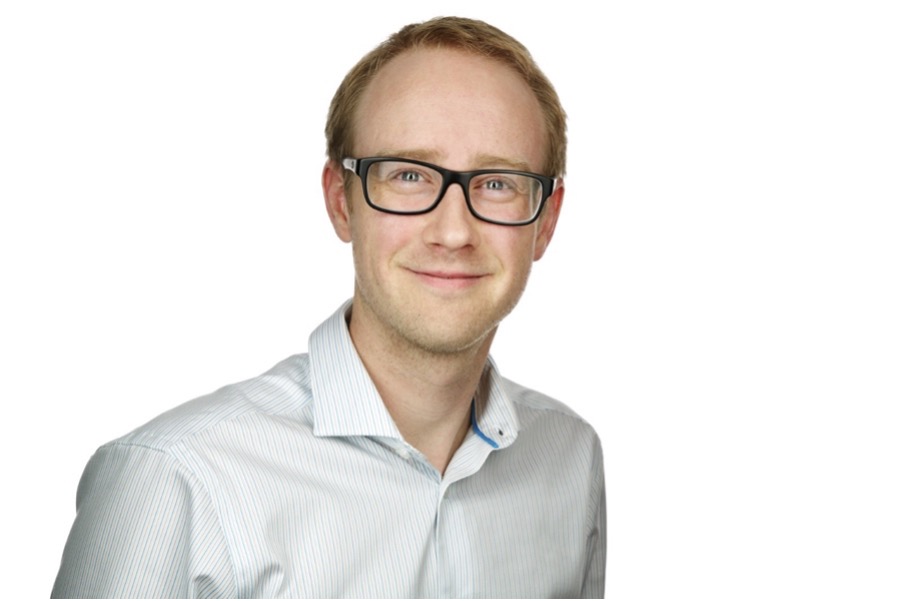
Ralph Muehleisen
Argonne National Laboratory
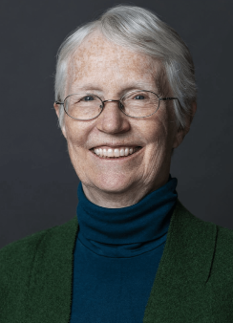
Mike Bosilovich, PH.D.
NASA Goddard Space Flight Center
Cynthia Rosenzweig, PH.D.
NASA Goddard Institute for Space Studies
2024 Event Schedule
Agenda and event overview.
Welcome from NASA Earth Science Leadership
Ms. Shanna Combley, Program Manager for Energy Resources
Learn about NASA Program perspectives and NASA’s engagement in Energy program area
Learn about POWER’s latest advancements and future plans for the project.
Learn about POWER’s latest technology advancements for upcoming v10 Data, Application Programming Interface (API) endpoints, and the Data Access Viewer (DAV).
Keynote Speaker: Sustainable Buildings
Dr. Ralph Muehleisen, Argonne National Laboratory
Break
Community Showcase: Lightning Talk Session 1
- “Arunai Engineering College / Predictive Maintenance of Solar Photovoltaic Microgrid System” by Saravanan Vasudevan (Renewable Energy)
- “Alpha 311 / How NASA POWER Aids Alpha 311’s Customer Journey” by Barry Thompson (Renewable Energy)
- “Southern Illinois University / The Impact of Climate Change on Power Systems: Predicting Surface Pressure With Machine Learning” by Siraj Mohammed (Renewable Energy)
- “Jimma University / DAV” by Mohammedreha Abafogi (Renewable Energy)
Keynote Speaker: Current and Upcoming Data Products from NASA’s GMAO
Dr. Michael Bosilovich, NASA Goddard Space Flight Center
Community Showcase: Lightning Talk Session 2
- “Huber SE / Design Calculation for Solar Sludge Drying” by André Großer (Sustainable Infrastructure)
- “University of Arizona / NASA’s Renewable Energy/ POWER Data: Shaping My Solar Energy Research” by Dr. Jyotsna Singh (Renewable Energy)
- “ChuvSUV / Neural Network Multifactor Computational Models for Forecasting Solar Power Plant Output” by Victor Abrukov and Darya Anufrieva (Renewable Energy)
Closing Remarks
Getting Started
Agenda and event overview.
Keynote Speaker: Solutions for the Built Environment
Mr. Ryan Danks, RWDI
Hear about POWER’s partner RETScreen as they provide a brief overview of their company.
NASA Recognition of Excellence Awards for RETScreen Expert Users
Hear about how this year's recipients use RETScreen with NASA POWER information to achieve their goals.
Community Showcase: Lightning Talk Session 3
- “C2Wind / Wind Energy and Power System Modelling User Requirements” by Rémi Gandoin (Renewable Energy)
- “University of Freiburg / Modeling the Agrivoltaics Microclimate” by Richmond Kuleape (Renewable Energy, Agroclimatology)
- “Davis and Shirtliff / Solar Power Sizing Made Easy” by Kenneth Muturi (Renewable Energy)
Break
Keynote Speaker: Climate Modeling and Applications
Dr. Cynthia Rosenzweig, NASA Goddard Institute of Space Studies
Community Showcase: Lightning Talk Session 4
- “YielData / Enhancing Food Security with Crop Simulation Models” by Mariano Tamburrino (Agroclimatology)
- “Moi University / Power System Resilience and Climate Change Mitigation in the Nzoia River Basin” by Stephen Mureithi Kivuti (Sustainable Infrastructure, Agroclimatology)
Feedback Session
Join us in a community feedback session to let the POWER Team know your thoughts and ask questions.
Closing Remarks
Paul Stackhouse, NASA Langley Research Center
Event Report
2023 Event Schedule
Break
Community Showcase (Lightening Talks #1) 5 talks @ 5min each - 30 mins with 5 min Q&A
POWER Community, Renewable Energy (RE), Agroclimatology (Ag), Sustainable Infrastructure (Sb)
- “Optimal Solar Farm Site Selection in George Town Conurbation using GIS-Based Multi-Criteria Decision Making and NASA POWER Data” by Puteri Bandira, The Geo-Informatic Unit (GIU), Universiti Sains Malaysia (USM) (RE)
- “Global Data Processing for Growing the RES Industry - the Case of Solar Sector” by Panas Kollas, UNISCRAP, RYAILITI Group (RE)
- TBD
- TBD
- TBD
- Question & Answer Session, led by Dr. Paul Stackhouse
Community Showcase (Lightening Talks #2) 5 talks @ 5min each - 30 mins with 5 min Q&A
POWER Community, Renewable Energy (RE), Agroclimatology (Ag), Sustainable Infrastructure (Sb)
- TBD
- TBD
- TBD
- TBD
- TBD
- Question & Answer Session, led by Dr. Paul Stackhouse
Break
Community Showcase (Lightening Talks #3) 5 talks @ 5min each - 30 mins with 5 min Q&A
POWER Community, Renewable Energy (RE), Agroclimatology (Ag), Sustainable Infrastructure (Sb)
- TBD
- TBD
- TBD
- TBD
- TBD
- Question & Answer Session, led by Dr. Paul Stackhouse
Community Showcase (Lightening Talks #4) 5 talks @ 5min each - 30 mins with 5 min Q&A
POWER Community, Renewable Energy (RE), Agroclimatology (Ag), Sustainable Infrastructure (Sb)
- TBD
- TBD
- TBD
- TBD
- TBD
- Question & Answer Session, led by Dr. Paul Stackhouse
Event Report
Meet Our Keynote Speakers
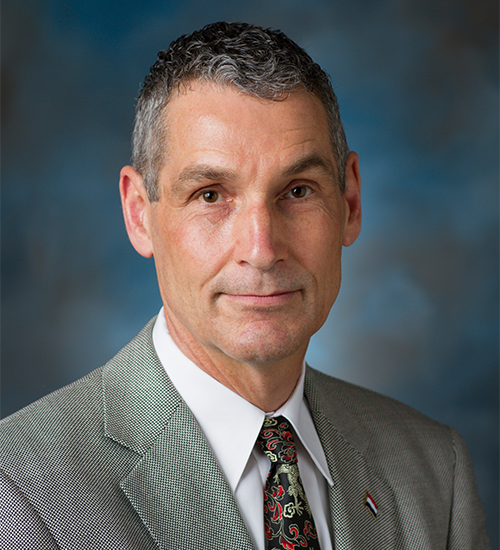
Gerrit Hoogenboom, Ph.D
Institute for Sustainable Food Systems
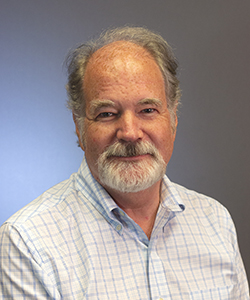
Drury B. Crawley, Ph.D.
Bentley Systems, Incorporated™
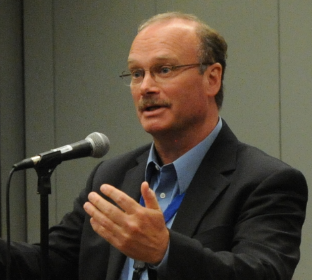
Gregory J. Leng
RETScreen International
2022 Event Schedule
Break
Community Showcase (Lightning Talks #1) 6 talks @ 5 minutes each
POWER Community, Renewable Energy (RE), Agroclimatology (Ag)
- “Using NASA POWER Data to Specify Solar Water Pumping Systems” by Ken Muturi, the Davis & Shirtliff Group (RE)
- “SOLARPE PRO, a Free Android App for Photovoltaic Systems” by Pedro García, SOLARPE PRO (RE)
- “POWER in the Classroom: Plugging in the Numbers for COP26” by Daniel Devine, Digital Skills Education (RE)
- “NASA DEVELOP Energy Projects: Building Capacity to Use POWER to Determine Solar Potential” by Cecil Byles, NASA DEVELOP (RE)
- “Solar Insolation Lookup Tool (SILT)” by Davis Conley, SIL International (RE)
- Question & Answer Session, led by Dr. Paul Stackhouse
Community Showcase (Lightning Talks #2) 6 talks @ 5 minutes each
POWER Community, Renewable Energy (RE), Agroclimatology (Ag)
- “Using POWER Data to Investigate the Relationship Between Climate Shocks and Women's Rights in Bangladesh” by Eleanor Horvath, Boston University (Ag)
- “Monitoring Crop Loss Due to Adverse Agrometeorological Conditions” by Daniel de Castro Victoria (Ag)
- “Using NASA POWER Gridded Data in Crop Monitoring and Yield Prediction by EOSDA” by Kryvobok Oleksii (Ag)
- “Weather Model for Study of Mesoamerican Nephropathy” by Srinivasa Murty (Ag)
- Question & Answer Session, led by Dr. Paul Stackhouse
Community Showcase (Lightning Talks #3) 6 talks @ 5 minutes each
POWER Community, Renewable Energy (RE), Agroclimatology (Ag)
- “Saildrone: Ocean Data Solutions” by Erik Chubb, Saildrone, Inc.
- “How NASA Power Data Can Be Used in Agrivoltaics Projects” by Richmond Kuleape (RE, Ag)
- “Mental Health Improves on Sunnier Days of the Year” by D Sadish
- “Runoff Estimation Using Satellite Images in Sparsely Gauged Basins: A Case of Nzoia River Basin, Kenya” by Stephen Mureithi
- “Comparison of Irradiation Estimates between POWER and Heliosat-2 with GOES-13” by Jessica BECHET, Energetic Transition - UMR Espace Dev (RE)
- Question & Answer Session, led by Dr. Paul Stackhouse